Mapping Crypto Reload Routes Connecting Mobile Poker Tournaments to Provincial Loyalty Structures Across Digital Networks
Cameron Otto · Oct 16, 2026
Mapping Crypto Reload Routes Connecting Mobile Poker Tournaments to Provincial Loyalty Structures Across Digital Networks
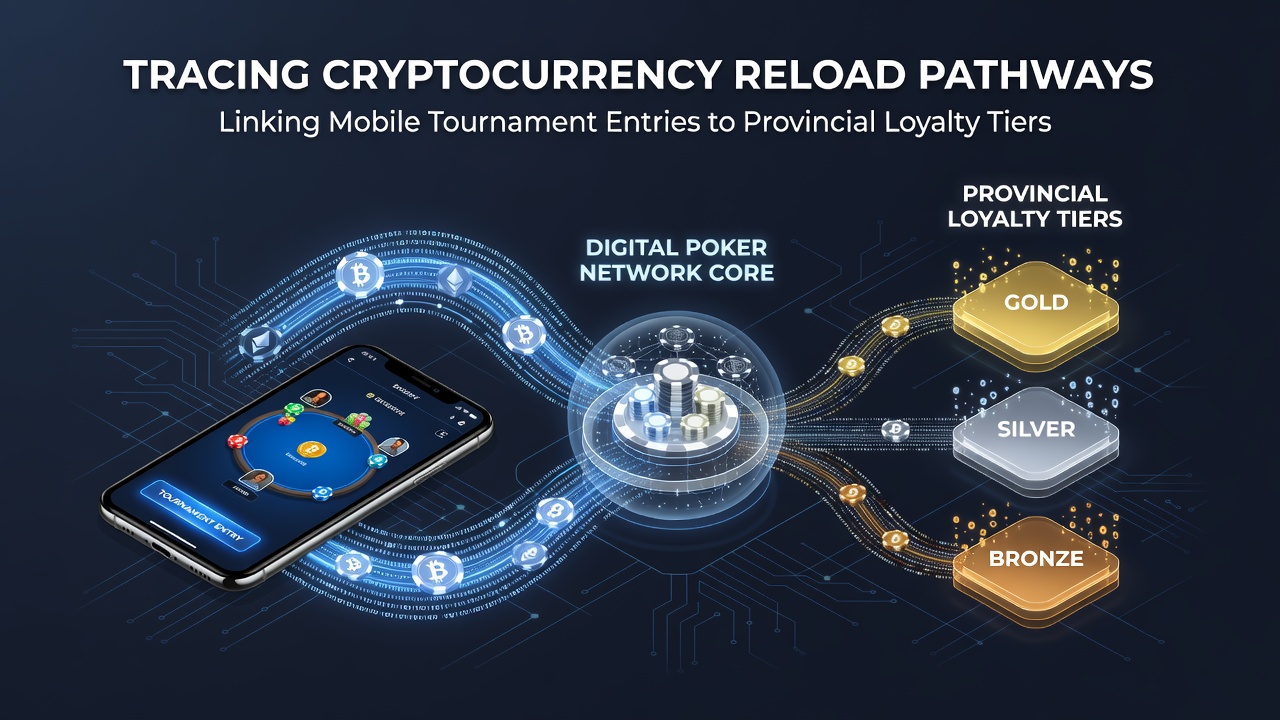
Digital poker platforms operating north of the border rely on cryptocurrency reload mechanisms that tie mobile tournament participation directly to provincial loyalty tiers, and observers note these pathways have grown more intricate since early network upgrades. Data from industry reports shows reload deposits in bitcoin and other digital assets trigger tier progression based on player location, with each province maintaining distinct verification protocols that affect bonus structures and entry eligibility.
Provincial Variations in Loyalty Tier Calculations
Ontario and British Columbia apply separate formulas when converting reload volumes into loyalty points, while Alberta and Quebec follow their own weighting systems that factor in both deposit size and tournament frequency. Researchers at academic institutions have documented how these differences create distinct pathways, for example a player entering a mobile event from Ontario receives tier credits calculated on net reload value after network fees, whereas the same activity in Quebec triggers an additional multiplier tied to francophone network partnerships. Figures from provincial regulatory summaries indicate that October 2026 updates introduced new compliance checks that scan wallet addresses against location data before awarding tier status.
Tracing Reload Pathways in Mobile Tournament Entries
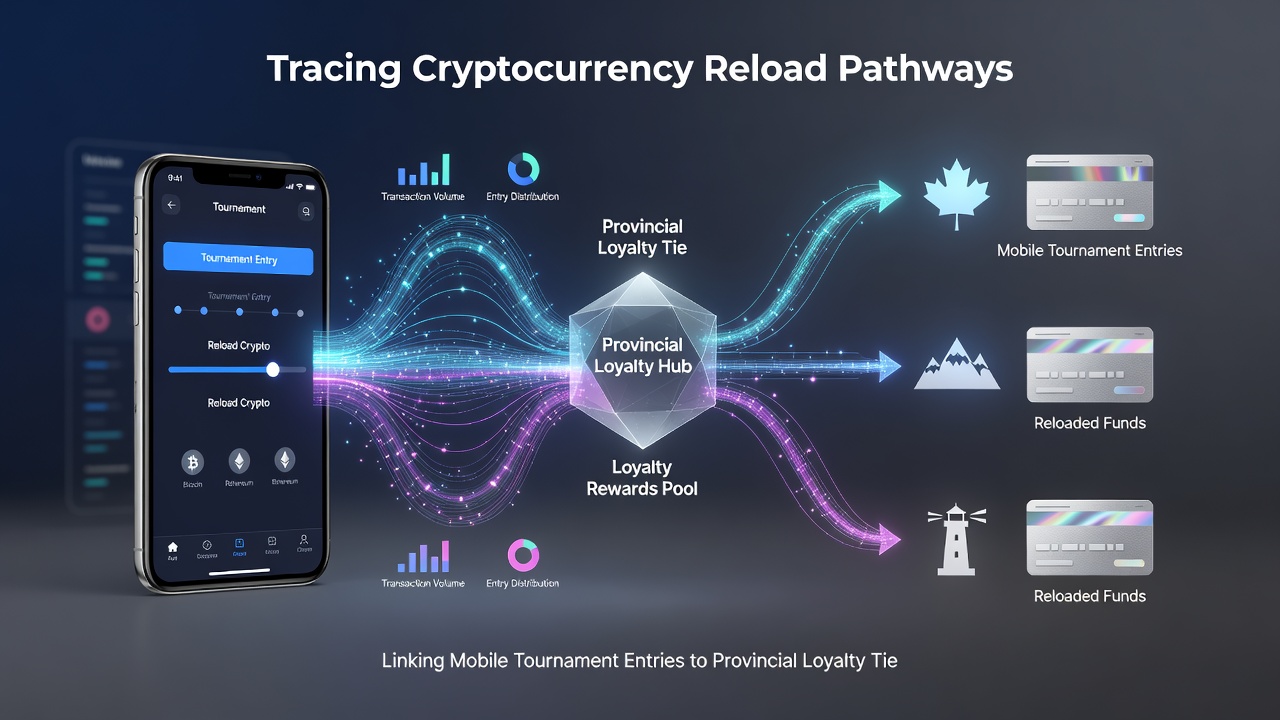
Reload transactions typically begin when a user initiates a crypto deposit through a mobile app, and the network routes the funds through multiple verification nodes before confirming tournament entry. Each step logs the transaction hash alongside the player's registered province, allowing loyalty systems to assign credits automatically. Studies from gaming research centers reveal that these logs also feed into tier advancement algorithms, where repeated reloads within a 30-day window accelerate progression from bronze to silver or gold levels. What's interesting is how networks now embed smart contract elements that enforce provincial rules at the moment of deposit, preventing cross-border mismatches that once delayed tier updates.
Take one documented case where experts tracked a series of reloads from Saskatchewan players entering national mobile tournaments, and the data showed loyalty tiers updated within minutes once the blockchain confirmed the transaction and matched the provincial identifier. Similar patterns appear in Manitoba and New Brunswick, although the exact timing varies with network congestion levels during peak tournament hours.
Integration of Loyalty Tiers With Tournament Access
Provincial loyalty tiers directly influence which mobile tournaments become available to players, and higher tiers unlock events with larger prize pools or reduced entry fees paid via crypto reloads. Industry data indicates that networks adjust these access rules monthly, incorporating feedback from regulatory bodies across Canada. A report from the Canadian Gaming Association highlights that reload volumes in the third quarter of 2026 correlated strongly with tier upgrades, particularly among players using stablecoin options that bypass volatility issues common in other digital assets. Those who've studied these systems note the pathways also incorporate anti-money laundering flags that pause tier progression until provincial verification clears.
Technical Mechanisms Behind the Pathways
Blockchain explorers allow observers to follow reload transactions from wallet to network ledger, where smart contracts then allocate loyalty points according to province-specific tables. Academic papers from North American universities describe how these contracts reference geolocation data collected during account setup, ensuring reloads from one province do not accidentally credit another region's tier system. In practice, this means a reload originating in Prince Edward Island follows a shorter verification chain than one from larger provinces, because the smaller player pool allows faster reconciliation of tournament entries with loyalty records.
Regulatory Influences on Reload and Tier Linkages
Government agencies in multiple provinces require networks to maintain transparent records of how crypto reloads translate into loyalty benefits, and compliance audits scheduled for late 2026 will examine these linkages more closely. One industry organization based in Australia has published comparative studies showing Canada's provincial approach differs from centralized models elsewhere, creating unique technical challenges for digital platforms. Data indicates that networks must now store reload metadata for extended periods to satisfy these audits, which in turn affects how quickly loyalty tiers update after each mobile tournament entry.
Conclusion
The pathways connecting cryptocurrency reloads to provincial loyalty tiers continue to evolve as networks refine their mobile tournament offerings, and ongoing regulatory reviews scheduled through October 2026 will likely introduce further adjustments to verification processes. Observers tracking these developments report that the core linkage remains stable, with reload volume and provincial location serving as the primary drivers of tier advancement across digital poker platforms.