How Quebec's Distinct Licensing Requirements Modify Annual Loyalty Payouts for Tablet-Based Competitors in Francophone Poker Networks
Wendy Wolf · Sep 18, 2026
How Quebec's Distinct Licensing Requirements Modify Annual Loyalty Payouts for Tablet-Based Competitors in Francophone Poker Networks
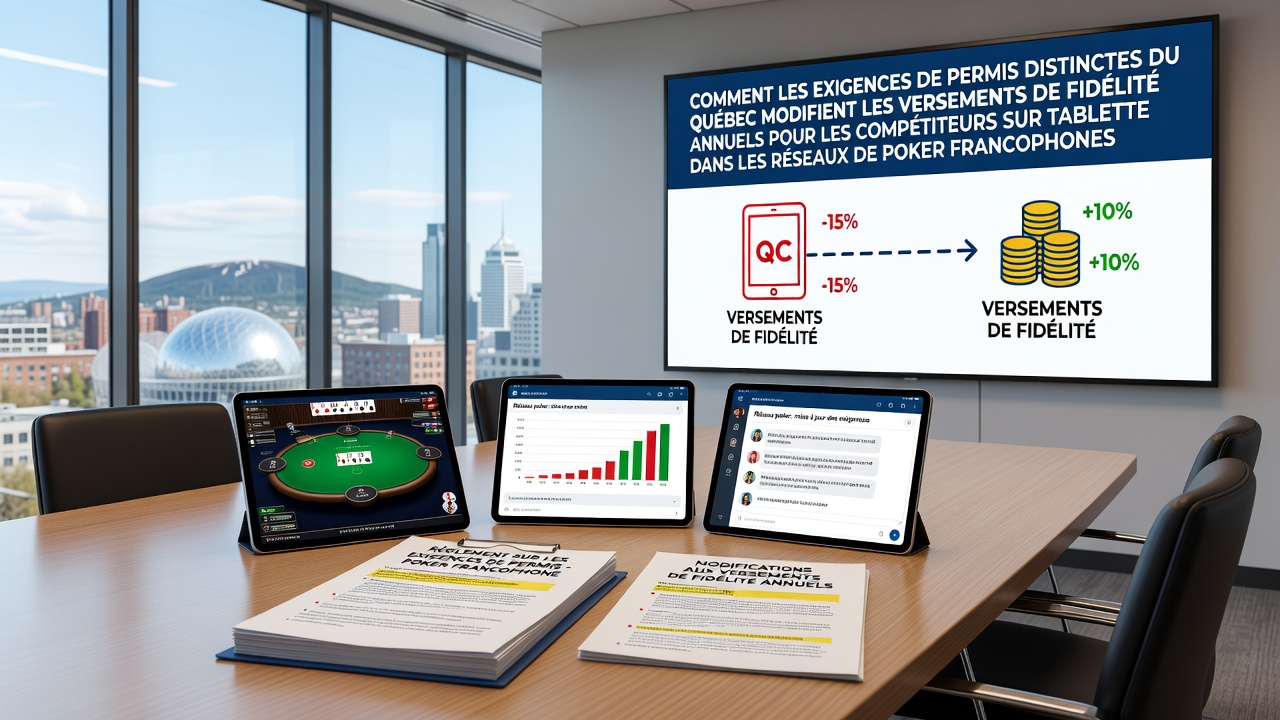
Quebec maintains a unique regulatory framework through the Régie des alcools, des courses et des jeux that sets licensing standards for online poker operators serving francophone markets, and these rules directly influence how annual loyalty payouts reach tablet-based players across connected networks. Operators must secure provincial authorization before offering real-money games, which includes compliance checks on software platforms, player verification systems, and financial reporting protocols tailored to mobile and tablet access points.
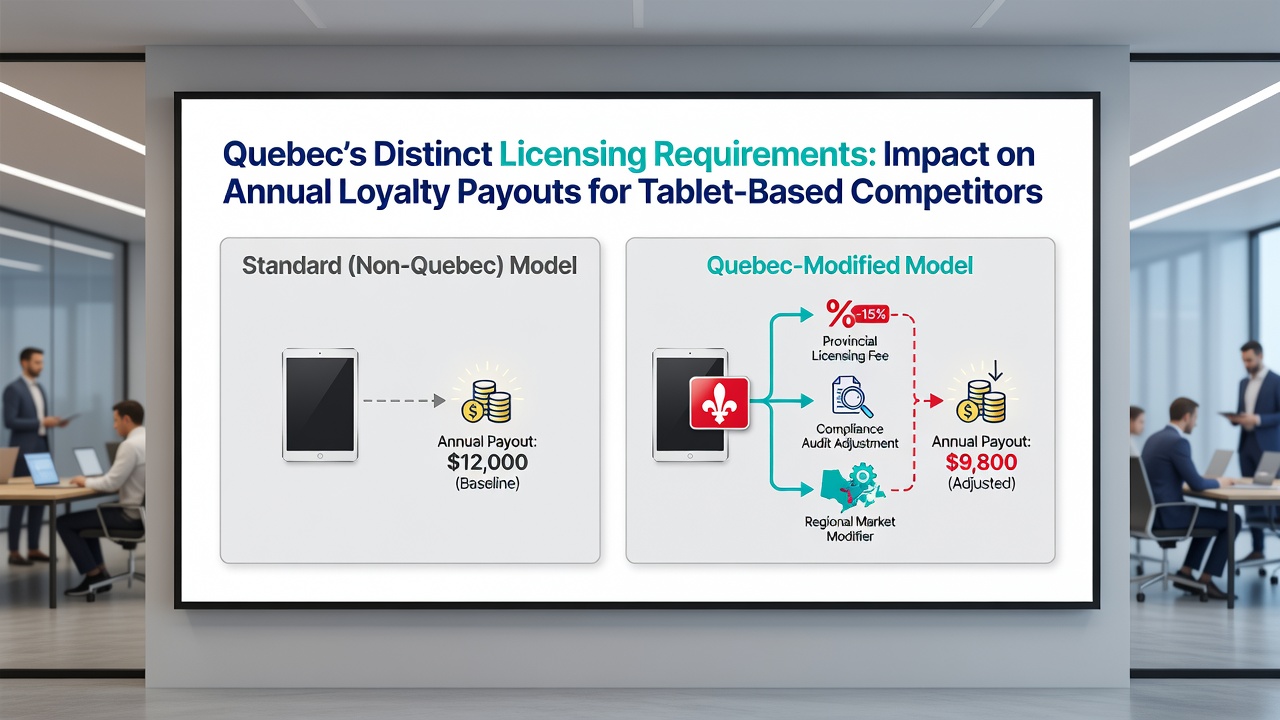
Tablet competitors encounter modified payout structures because Quebec licensing mandates separate accounting for mobile sessions, requiring networks to allocate loyalty rewards based on verified device usage rather than aggregated account activity. This distinction arises from requirements that tie reward calculations to provincial tax reporting categories, where tablet play often falls under higher oversight thresholds compared to desktop sessions. Data from industry reports shows these adjustments can shift annual loyalty distributions by reallocating portions of rakeback or VIP tiers to meet local fee obligations.
Licensing Framework and Its Reach
Quebec's licensing process demands that francophone poker networks demonstrate adherence to French-language interface standards and secure data handling for players in the province, while also accommodating cross-border participation from other Canadian regions. Networks that fail to segment tablet traffic properly face restrictions on loyalty program approvals, which forces competitors to adjust payout schedules accordingly. Observers note that operators integrate these rules by applying device-specific multipliers during annual reconciliation periods, ensuring that rewards reflect the regulatory costs embedded in each license renewal.
Impact on Tablet-Based Loyalty Calculations
Annual loyalty payouts undergo modification when licensing rules require operators to withhold portions of rewards until compliance audits confirm proper categorization of tablet activity. Research indicates that francophone networks often recalibrate bonus accrual rates for tablet users to offset administrative expenses tied to Quebec-specific reporting, resulting in staggered release schedules rather than immediate annual credits. Players accessing networks via tablets frequently discover that their cumulative rewards align with verified session logs submitted to provincial authorities, which introduces delays or reductions compared to non-tablet competitors.
One study revealed that networks serving Quebec markets adjust loyalty formulas to incorporate mandatory contributions toward responsible gaming funds, and tablet-based play triggers additional verification layers that affect final payout amounts. These modifications appear in the form of tiered reward caps where high-volume tablet users receive prorated shares after regulatory deductions, whereas lower-volume participants see minimal shifts. What's interesting is how these adjustments maintain overall network competitiveness while satisfying license conditions that emphasize transparency in mobile transaction tracking.
Network Adaptations Across Francophone Markets
Francophone poker networks respond to Quebec licensing by implementing unified loyalty systems that differentiate tablet access points through backend tagging, allowing annual payouts to flow through adjusted channels that account for provincial levies. This approach ensures that competitors maintain consistent reward offerings while complying with rules that prohibit undifferentiated reward pools across device types. According to figures from gaming association analyses, such adaptations have led networks to introduce device-verified loyalty tiers that recalculate annual distributions mid-year when tablet participation exceeds certain thresholds.
Operators in these networks also coordinate with international partners to align payout practices, since Quebec requirements can influence how rewards earned on shared platforms reach players in linked markets. Data shows that tablet competitors often receive loyalty credits processed through separate ledgers to isolate Quebec-regulated activity, which prevents cross-contamination of funds and satisfies audit demands. But here's the thing: these separations sometimes create administrative overhead that networks offset by fine-tuning payout percentages for tablet segments specifically.
Broader Regulatory Context and Adjustments
Canadian gaming oversight bodies alongside European regulatory frameworks illustrate similar patterns where device-based licensing influences reward structures, yet Quebec stands apart through its emphasis on annual reconciliation tied directly to loyalty metrics. Tablet-based competitors in francophone networks therefore navigate payout modifications that incorporate both provincial taxes and language compliance costs, leading to formulas that weight mobile activity differently during yearly reviews. Evidence suggests these changes stabilize operator operations by aligning rewards with verified regulatory expenses, allowing networks to sustain participation from tablet users without violating license terms.
Networks continue refining their systems ahead of events such as the WSOP Circuit festival scheduled for Paris in September 2026, where francophone connectivity may prompt further alignment of loyalty protocols across borders. This ongoing evolution keeps payout mechanisms responsive to licensing updates that affect how annual rewards reach tablet competitors in Quebec-linked environments.
Conclusion
Quebec's licensing requirements create measurable shifts in how francophone poker networks distribute annual loyalty payouts to tablet-based competitors, primarily through device-specific tracking, adjusted accrual rates, and compliance-driven deductions. These modifications ensure operators meet provincial standards while preserving network functionality across mobile platforms. Observers continue monitoring how such frameworks evolve in response to technological and regulatory developments in the sector.